BCAM Global content
Global
BCAM
Explore the site
Back / Home

BCAM / TECHNICAL KNOWLEDGE

Know the system. Understand the connection.

A starting point for professional learning across fire protection, with a practical question and a BCAM connection for every topic.

BCAM FIRE / OPEN THE SIGNAL PATH

An alarm is a chain of devices and decisions.

Choose a component family to see why it belongs in the building or operational record.

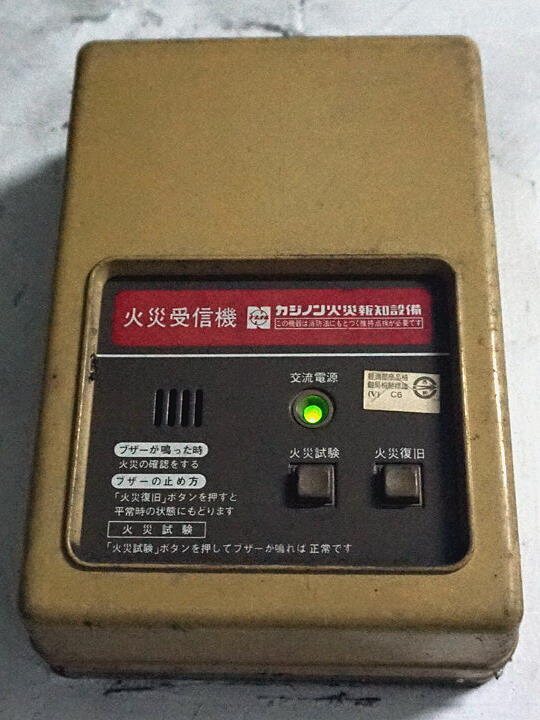
Photograph of a fire alarm control panel in Taichung, Taiwan
An actual fire alarm control panel photographed in Taichung in 2017. The wider device network and cause-and-effect cannot be read from this photograph. Photo: Dquai / Wikimedia Commons · CC BY-SA 4.0. Framed for layout.
01 / COMPONENT FAMILY

Initiating device

A detector or manual call point has an address, position, type and service history.

THE BCAM CONNECTION

BCAM connects device tests and faults to panel events, the interface matrix and accountable repair.

See the connected evidence →
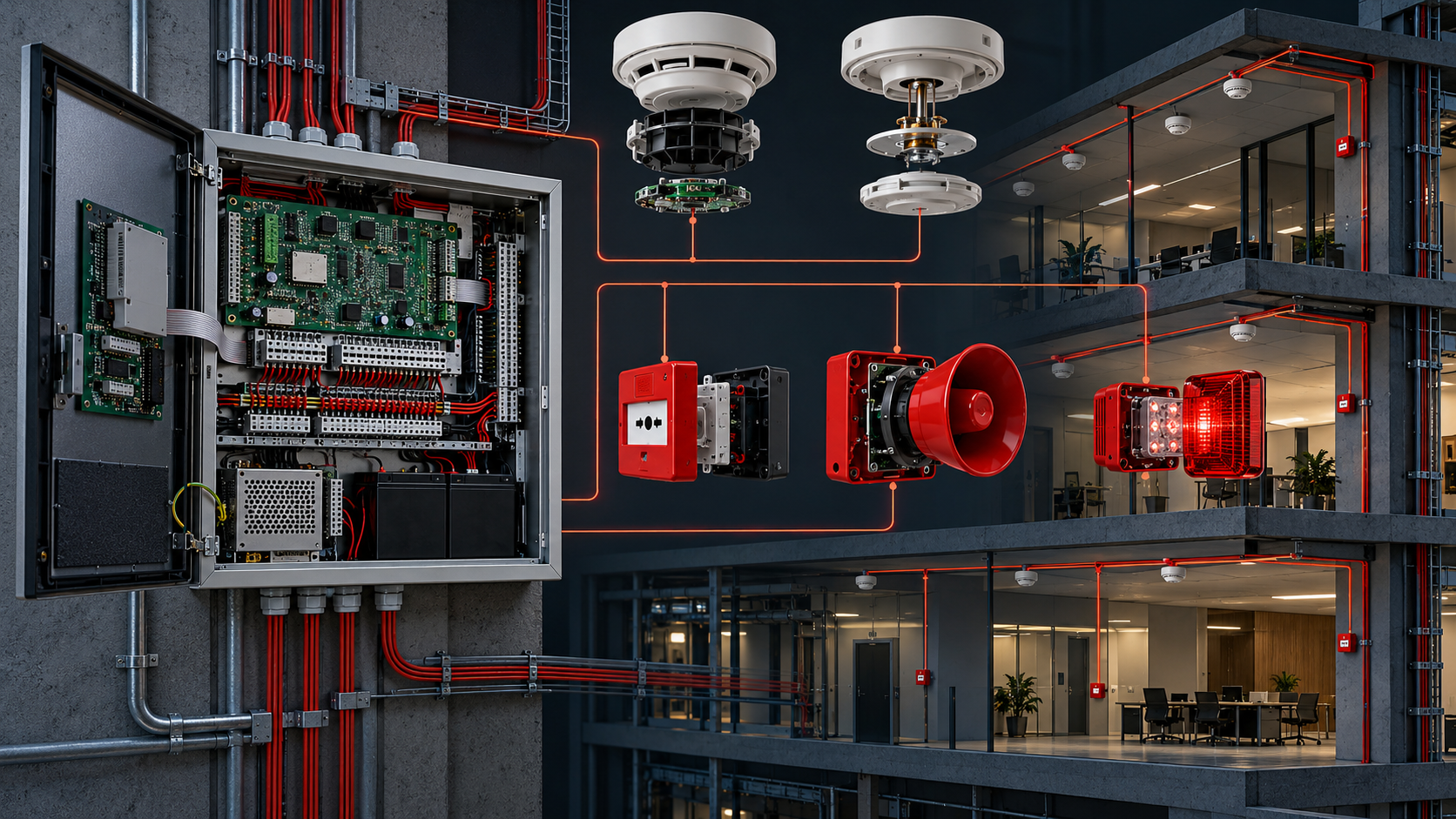
Open the illustrative component view
Conceptual fire detection system with opened control panel, detectors, call point, sounder and building circuits
Concept illustration. The installed cause-and-effect, circuit topology and device listing govern the actual system.
Detection & alarm↗Fire pump visual guide↗Passive fire guide↗Smoke control↗Maintenance↗Emerging risk↗
01

Detection & alarm

From a signal to a traceable history.

Explore system identity, zoning, recurring reports and the documentation behind an interface.

THE BCAM CONNECTION

Link observations to the relevant device, panel and follow-up record.

02

Suppression

Understand the system behind the asset.

Build a reading pathway across water supplies, pumps, sprinklers and special hazards. Always identify the applicable system and jurisdiction first.

THE BCAM CONNECTION

Keep system context alongside individual asset and maintenance records.

Explore the diesel fire pump visual guide →
03

Passive fire

Make concealed work visible in the record.

Explore compartmentation, doors and penetrations through location, product documentation and inspection evidence.

THE BCAM CONNECTION

Connect a photographed observation to its location, evidence and responsible reviewer.

Follow the passive fire evidence trail →
04

Smoke control

Read the intended sequence across systems.

Bring mechanical and fire documentation together to understand the design intent and the evidence required for professional review.

THE BCAM CONNECTION

Follow the relationship between alarm inputs, controlled equipment and recorded outcomes.

05

Maintenance

Close the loop on an observation.

Focus on the difference between a completed visit and an issue that has been resolved with evidence.

THE BCAM CONNECTION

Retain the observation, owner, action and closure evidence in context.

06

Emerging risk

Ask what has changed in the building.

Use new research and incident findings to frame questions about changes in occupancy, materials or equipment. A reported incident alone does not establish cause.

THE BCAM CONNECTION

Connect a reviewed industry lesson to the building questions it raises.

03 / PASSIVE FIRE · BCAM FIRE

Protection that is easy to miss is still part of the system.

Passive fire performance depends on continuity: compartment lines, fire doors, service penetrations, façades and the evidence that connects installed work to its tested or approved application.

01

Compartmentation

Map walls, floors, shafts and concealed voids. Record where continuity is expected and where access is limited.

02

Penetrations & fire stopping

Record services, products, installers and supporting documentation. A photograph records an observation, not proof of suitability.

03

Doors, dampers & façades

Connect condition, interfaces, inspection findings and remediation history across BCAM Fire, HVAC and Electrical.

04

Responsible action

Separate urgent impairment, investigation and planned remediation. Keep competent assessment and closure evidence visible.

Professional boundary

BCAM can organise learning, records and questions. It does not certify construction, approve substitutions or declare compliance from incomplete information.

CONTINUE WITH PRIMARY SOURCES

Go to the source. Keep the context.

These are starting points for professional reading. Access conditions and document applicability vary; this hub does not reproduce standards or determine compliance.

Explore the professional body directoryASHRAE · Technical resourcesCIBSE · Knowledge & researchAIRAH · Australian HVAC&R community
Explore the Sam concept