BCAM Global content
Global
BCAM
Explore the site
Back / Home

BCAM HVAC / BUILDING PERFORMANCE

Everyday performance. Whole-building intelligence.

BCAM HVAC is a maintenance unit in its own right. Follow plant, service work and building performance—then see where mechanical systems meet fire and smoke control.

BCAM HVAC / PLANT IN CONTEXT

Everyday plant deserves a visible history.

An air-handling unit has filters, fans, controls and service history before it ever meets a fire sequence. BCAM HVAC connects that maintenance work to the same building record used by BCAM Fire.

See the connected record →
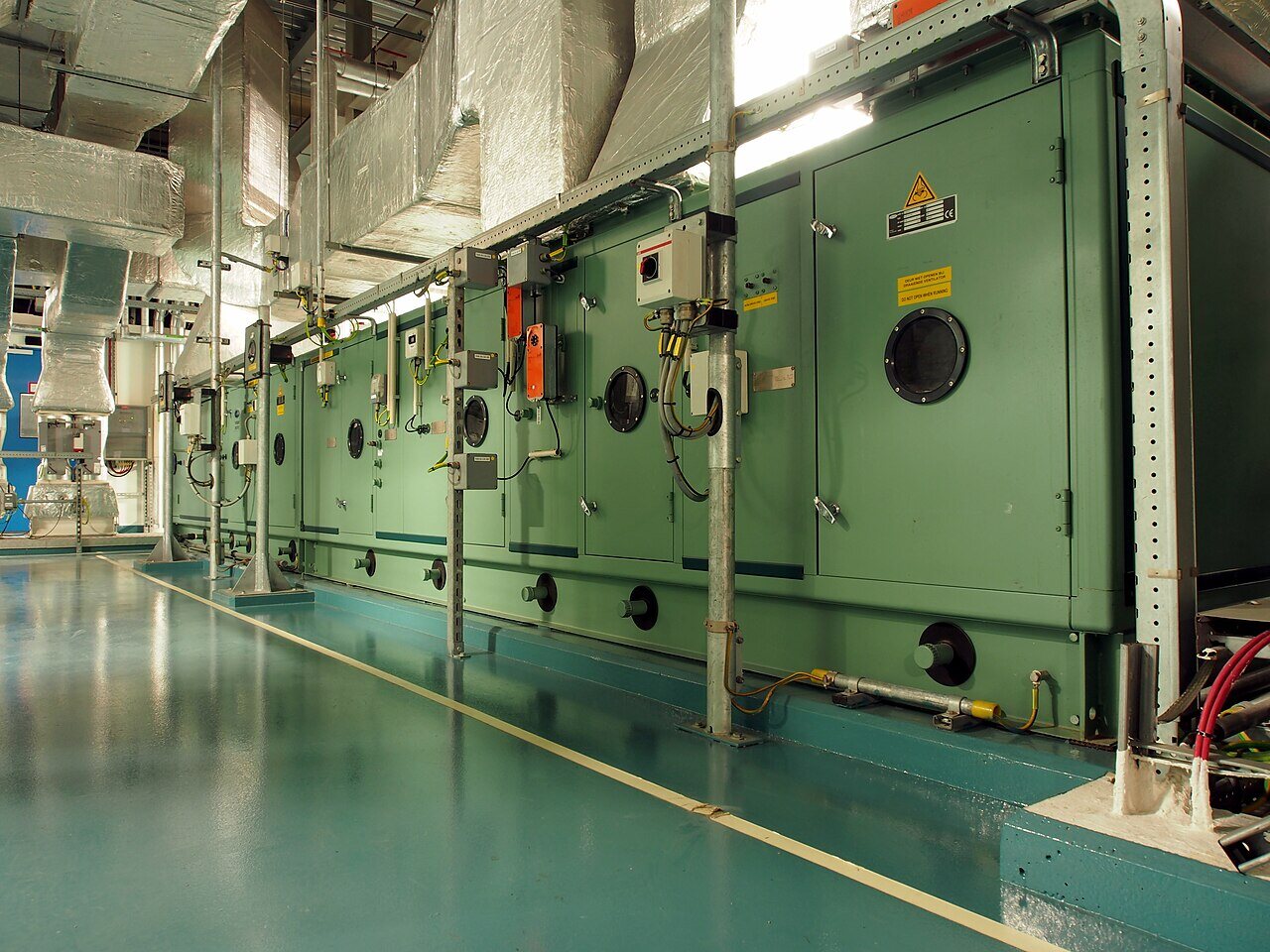
Photograph of an air handling unit in a mechanical installation
Air-handling unit, photographed 2015Photo: Alf van Beem / Wikimedia Commons, CC0. Framed for this layout.

BCAM HVAC / OPEN THE PLANT

What lives inside the air handler?

Choose a component family to see why it belongs in the building or operational record.

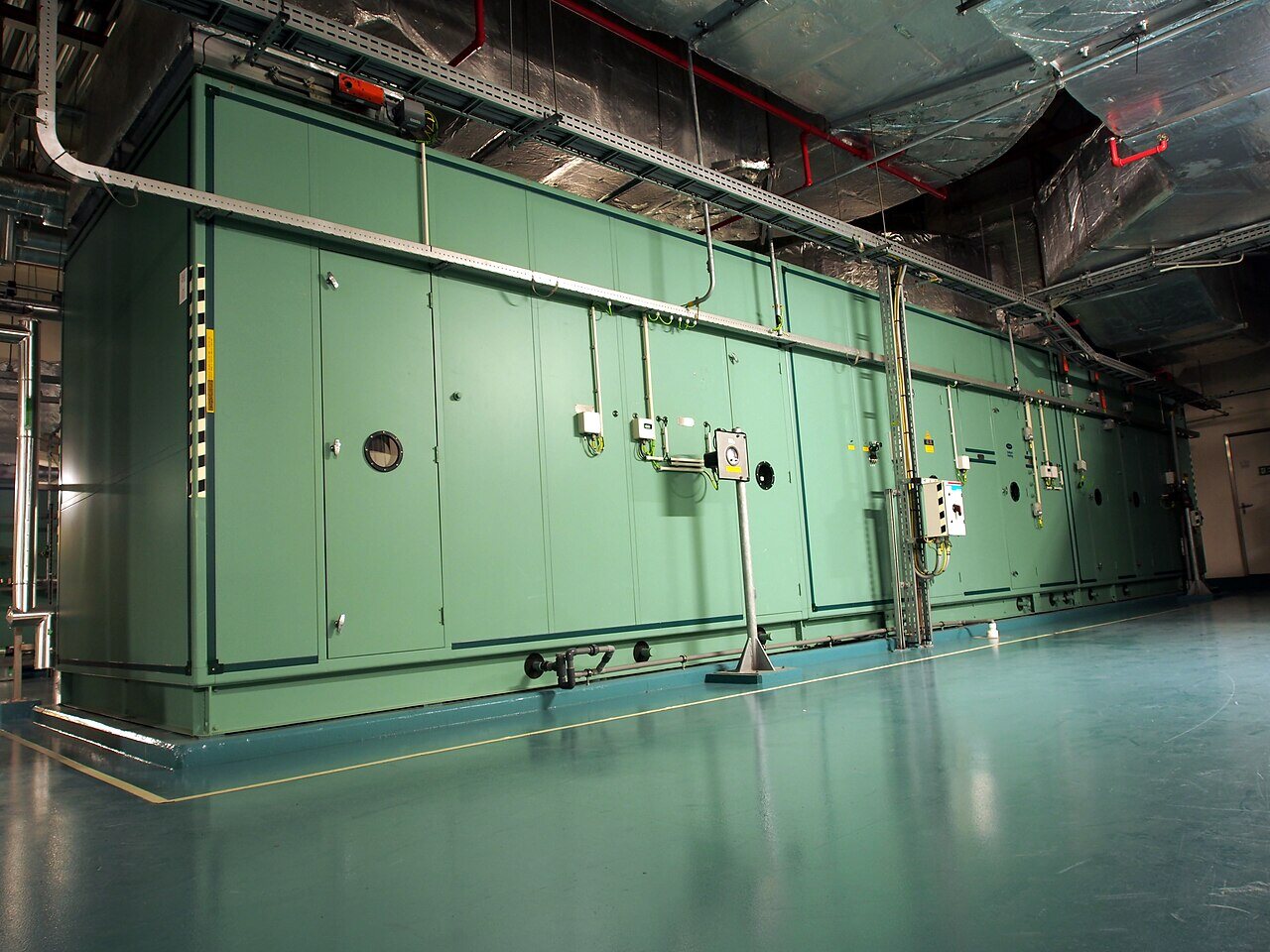
Photograph of the interior of an air handling unit with fan and drive
An actual air handling unit, photographed in 2015. The arrangement is one example, not a BCAM installation. Photo: Alf van Beem / Wikimedia Commons · CC0. Framed for layout.
01 / COMPONENT FAMILY

Intake and mixing

Outdoor and return air enter through the installed louvres and dampers.

THE BCAM CONNECTION

BCAM HVAC ties service findings and performance to the AHU. BCAM Fire can see the same asset where it participates in a fire strategy.

See the connected evidence →
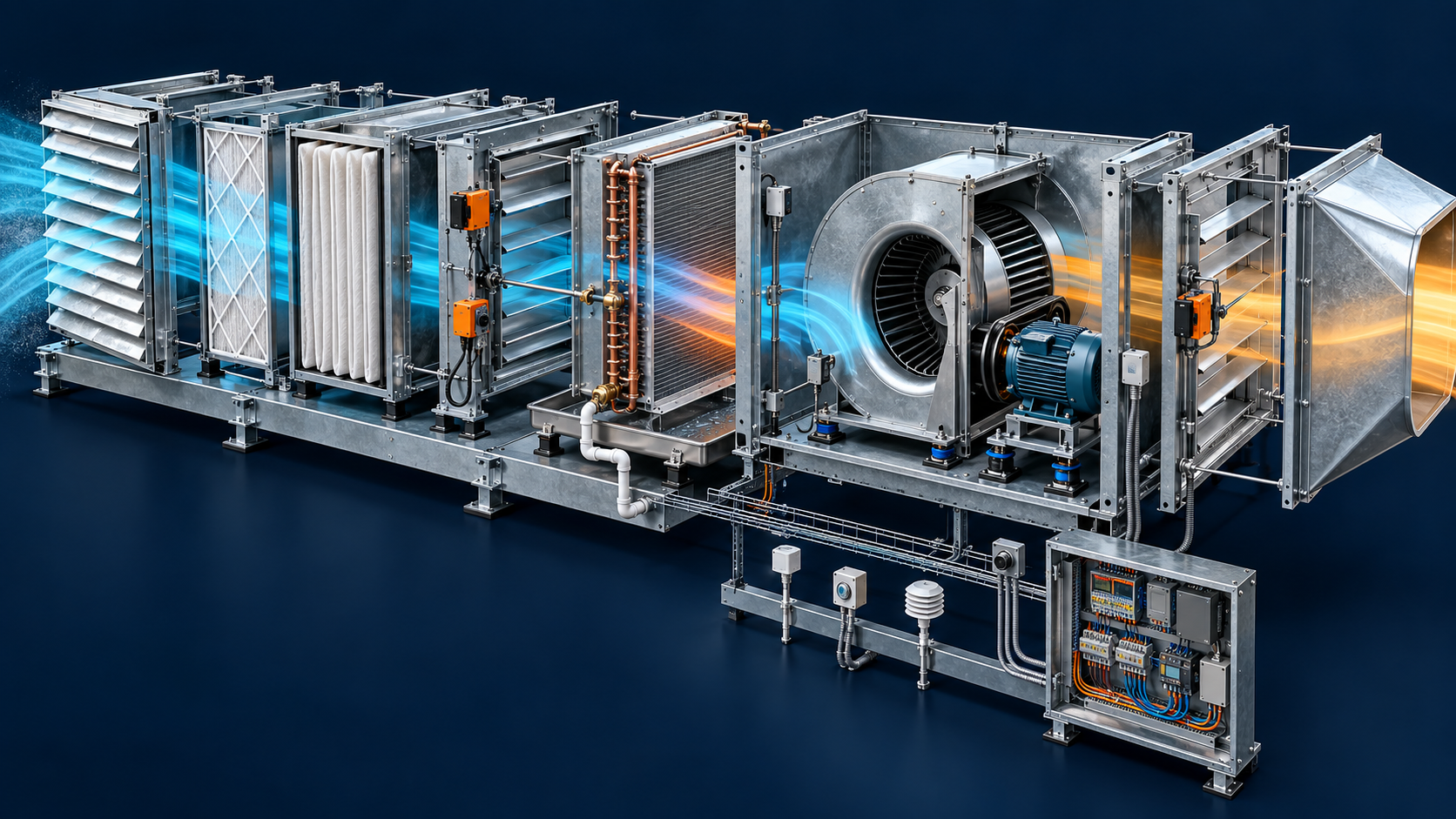
Open the illustrative component view
Conceptual exploded air handling unit separating intake, filters, coils, fan, damper, duct and controls
Concept illustration. Component order, service access and fire interfaces vary by installation.
Air quality & ventilation↗Heating, cooling & comfort↗Refrigeration & refrigerants↗Energy & performance↗Controls & commissioning↗Fire & smoke interfaces↗

SYSTEM INTERFACE / ILLUSTRATIVE SEQUENCE

One signal can change several systems.

The approved cause-and-effect strategy determines what happens at a particular building. This map shows the relationships BCAM Fire and BCAM HVAC need to keep together.

01 / INPUTFire alarm event

Location, device or zone, and the initiating condition.

02 / LOGICApproved sequence

Commands and expected responses for this building.

03A / AIRFans & plant

Run, stop or change mode as designed.

03B / SEPARATIONDampers

Position and feedback in the required zones.

03C / ESCAPEPressure & smoke

The intended protected-space relationship.

04 / BCAM FIRE + HVACExpected ↔ observed

Test evidence, discrepancy, owner, corrective action and verified retest stay connected.

Illustrative only. No site-specific control action or acceptance criterion is prescribed here.

BCAM HVAC / THE MAINTENANCE UNIT

From a room complaint to a verified outcome.

A mechanical issue travels through people, plant and evidence. BCAM’s proposed workflow keeps the work visible beyond the service visit.

01 / REQUEST

Capture the symptom

Which space, when, under what operating conditions? Preserve the occupant’s report without turning it into a diagnosis.

02 / ASSET

Find what serves it

Connect the room to air-handling plant, controls, schedules, service history and the relevant contractor.

03 / FIELD WORK

Record the observation

Keep the technician’s measurements, actions, access limits and evidence with the equipment record.

04 / REVIEW

Prove the result

Verify the response, assign unresolved defects, and see whether the same complaint returns.

Where BCAM Fire joins the record

When the same equipment participates in fire mode, maintenance and changes must also be considered against the approved cause-and-effect sequence and the responsible fire systems team.

Explore a sample connected building record →
01

Air quality & ventilation

What does the occupied space need?

Start with the use of the space, occupancy, outdoor-air strategy and the evidence available to understand performance.

THE BCAM CONNECTION

Connect the space, serving plant, observations and responsible person in a single asset context.

02

Heating, cooling & comfort

Does the plant match the building’s reality?

Explore comfort complaints alongside operating hours, zoning, controls and maintenance history. A symptom in one room is a starting point for investigation.

THE BCAM CONNECTION

Keep occupant reports and the corresponding plant history together so repeat issues remain visible.

03

Refrigeration & refrigerants

Know the equipment and its history.

Organise equipment identity, refrigerant information, service documentation and specialist responsibilities. Requirements must be checked against the applicable jurisdiction.

THE BCAM CONNECTION

Link the equipment record to its service evidence and accountable specialist.

04

Energy & performance

Turn a trend into a useful question.

Compare operating schedules, available trend data and changes in building use before drawing conclusions about performance.

THE BCAM CONNECTION

Preserve the baseline, observation and follow-up rather than losing the issue in an isolated chart.

05

Controls & commissioning

Understand the intended sequence.

Bring the documented control sequence, observed behaviour and commissioning evidence into the same conversation.

THE BCAM CONNECTION

Connect commands, feedback, testing records and unresolved discrepancies to the affected assets.

06

Fire & smoke interfaces

Follow the connection between disciplines.

Locate the approved cause-and-effect documentation and the people responsible for integrated testing. This hub does not prescribe site-specific test procedures.

THE BCAM CONNECTION

Connect dampers, fans, detection interfaces and supporting evidence across the Fire and HVAC records.

CONTINUE WITH PRIMARY SOURCES

Go to the source. Keep the context.

These are starting points for professional reading. Access conditions and document applicability vary; this hub does not reproduce standards or determine compliance.

ASHRAE · Technical resourcesCIBSE · Knowledge & researchAIRAH · Australian HVAC&R community
Explore the Sam concept